How to Prevent Tonsil Stones From Forming
What I changed that actually cut down how often I get stones. Not medical advice; just what worked for me.
Removing stones wasn't enough; they kept coming back. I had to change how I take care of my mouth and throat. I can't "prevent" them completely (my anatomy is what it is), but these habits made a real difference for me: fewer stones, less smell, less time spent dealing with them.
Overview
Can You Prevent Tonsil Stones?
I can't get rid of my crypts, so I can't prevent stones 100%. But I can make them less frequent and less gross. For me that meant better daily habits and switching a few products.
This is what worked for me; not medical advice. Your doctor or ENT can help you decide what's right for you.
Daily habits
Oral Hygiene and Cleaning Tonsils
I used to only think about removal. Once I started cleaning my tonsils and throat more deliberately—rinsing after eating, scraping my tongue, and sometimes a gentle flush—I noticed fewer big stones. Here's what I do.
Rinsing after eating
Swishing water or a gentle rinse after meals may help clear loose food and mucus from the back of the throat before it settles in crypts.
Tongue cleaning
The back of the tongue can hold bacteria that contribute to odor and throat buildup. A tongue scraper or brush is often recommended as part of general oral care.
Gargling
Does Gargling Prevent or Help With Tonsil Stones?
I gargle with warm salt water every morning. It doesn't remove my deep stones, but it does seem to keep the crypts a bit cleaner and my throat less irritated. For "does gargling prevent tonsil stones", for me it helps reduce how fast they build up. For "does salt water remove them"—only the tiniest bits; the rest I still have to flush or nudge out.
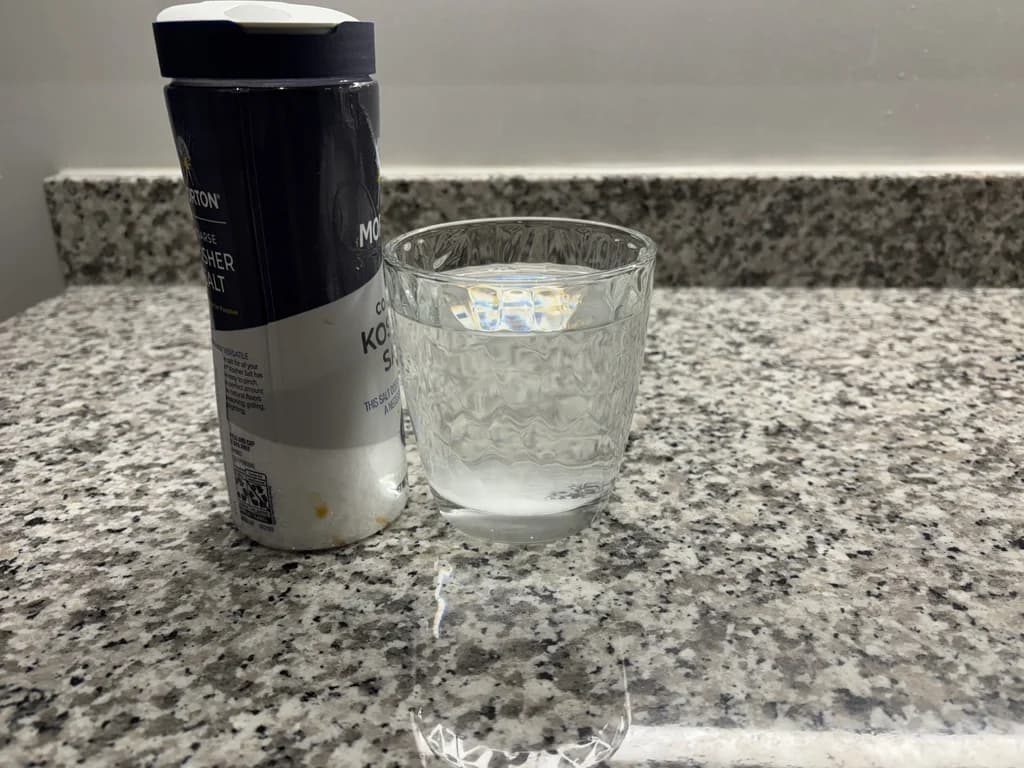
- • Loosen very small or surface debris
- • Soothe the throat
- • Temporarily reduce bacteria in the area
It is not a substitute for professional care and may not prevent or remove larger stones. Many people use it once or twice daily as part of their routine; your doctor can advise if it's suitable for you.
Mouthwash
Mouthwash for Tonsil Stone Prevention and Odor
Regular Listerine dried my mouth out and didn't touch the smell. I switched to an oxygenating rinse (chlorine dioxide) and the odor got way better; I still remove stones when they form, but the "tonsil stone breath" between times is much less. So for "best mouthwash for tonsil stones" and "does mouthwash help": the alcohol kind didn't for me; the oxygenating one does. I don't recommend brands; just look for that type.
Alcohol-based mouthwash (e.g. many Listerine products)
Can dry the mouth and alter the oral microbiome. Dry mouth may reduce the natural flushing of debris. Some people prefer to avoid alcohol rinses for that reason.
Oxygenating / chlorine dioxide rinses
Formulations that release oxygen (e.g. chlorine dioxide) target anaerobic bacteria that contribute to sulfur odor. They are often mentioned for bad breath and as an adjunct to oral care, not as a way to remove stones. I don't recommend specific brands; the tools page has what I look for.
No mouthwash can "cure" or fully prevent tonsil stones. Good oral hygiene and, if needed, professional advice are important.
Diet
Diet and Tonsil Stones: What I Noticed
I don't have a "diet to prevent tonsil stones", but when I cut back on dairy and drink more water, I get fewer. Could be the mucus, could be hydration. Sugar seems to make the smell worse. This is just what I've seen in myself; your body might be different.
Dairy and mucus
Some find that reducing dairy reduces post-nasal drip or thick mucus, which may mean less material in the crypts. This is anecdotal; not medical advice.
Sugar and bacteria
Less sugar may mean less fuel for odor-causing bacteria. Many use this as part of general oral and overall health.
Hydration
Staying hydrated supports saliva flow, which helps clear the throat naturally. Dehydration can make saliva thicker and less effective at washing debris away.
Biofilm
Managing Oral Biofilm
The bacteria that contribute to tonsil stone odor are often anaerobic. Rinses that deliver oxygen (e.g. chlorine dioxide) may reduce those bacteria and help with breath. This is supportive care, not a guarantee against stones.
See mouthwash above andtools for product types I look for. I don't prescribe or recommend specific products.
Post-nasal drip
Post-Nasal Drip and Tonsil Stones
Chronic post-nasal drip adds mucus to the back of the throat, which can collect in tonsil crypts. Managing allergies or sinus issues (e.g. with a doctor's guidance, saline rinses, or prescribed treatments) may reduce drip and thus the "building blocks" for stones. This is informational; your doctor can recommend what's right for you.
FAQ
Prevention Questions People Ask
Can you prevent tonsil stones from forming?
You may be able to reduce how often they form or how bad they get by keeping the throat cleaner (gargling, good oral hygiene, hydration) and sometimes adjusting diet. You cannot change deep crypt anatomy at home; an ENT can discuss options if prevention isn't enough.
Ways to prevent tonsil stones?
Commonly mentioned: daily gargling (e.g. salt water), tongue cleaning, rinsing after meals, staying hydrated, using an alcohol-free or oxygenating mouthwash, and managing post-nasal drip with a doctor's help. See sections above; we don't give medical advice.
Best way to prevent tonsil stones?
There isn't one "best" way that works for everyone. A combination of oral hygiene, gargling, and sometimes diet/hydration helps many. For persistent issues, an ENT can suggest in-office or surgical options.
Not medical advice. When in doubt, see a doctor or ENT.